Best Portable Stoves for Wild Camping UK (Gas vs Solid Fuel Tested)
This page contains affiliate links. As an Amazon Associate we earn from qualifying purchases — this does not affect the price you pay.
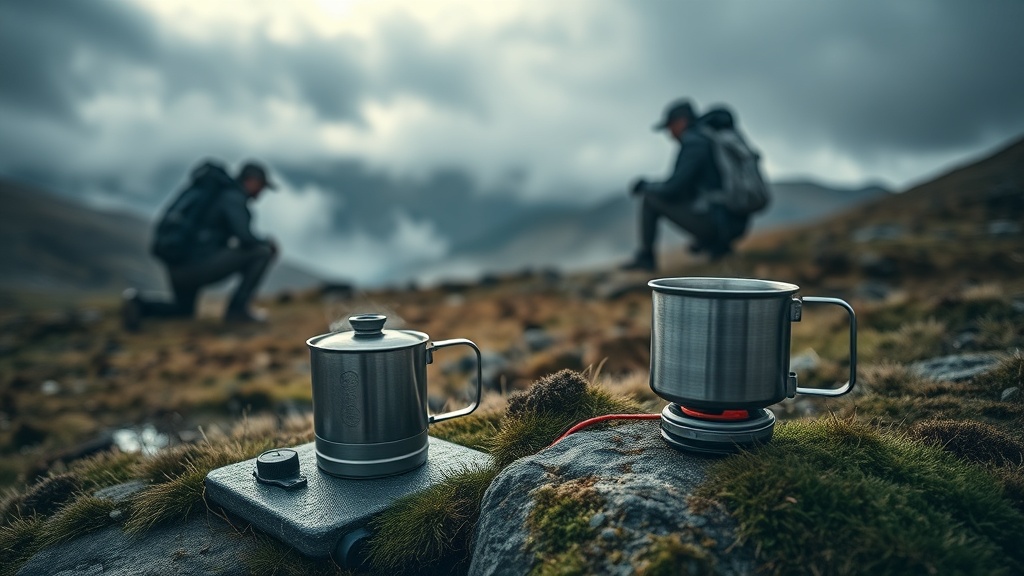
The wind screaming over the fells, the Lake District sky a bruised grey, and a pot that won’t even spark at 3 am — this is what happens with a brand-new US-market stove sold as “ultralight” that blows out every time a gust hits. If you’ve felt that frustration, you’re not alone. Most UK wild campers hit the same wall because many reviews ignore British wind, rain, and the specific legal quirks of gas canisters. We’ll strip away the US-centric hype, explain what the law actually says about fuel, and point you at the stove that will actually boil water when the weather turns nasty. By the end, you’ll know which stove fits your weight budget, stays stealthy, and keeps you on the right side of the law.
What are the UK regulations for camping stove fuel?
In the UK, gas canisters are legally classed as pressurised containers and must be carried in your rucksack, not the car, to avoid fines. UK regulations on portable pressure equipment make this clear: any canister that complies with the EN 417 standard – the colour-coded butane/propane mixes you see from Primus, Snow Peak or MSR – is a pressurised container.
- Canister gas (isobutane, propane blends) – light, quick-lighting, but you must keep the canister in your pack at all times. You’ll find EN 417 canisters at most outdoor retailers – Cotswold Outdoor, Go Outdoors, or online at Amazon UK. Prices hover around £15-£25 for a 230 g canister, but remember you’ll need a spare on longer trips.
- The UK safety warning – if you leave a canister in your car and a police officer stops you, you could be issued a fine for “improper carriage of a pressurised container”. It’s a bit of a faff, but the rule is simple: always stow the canister inside your pack, preferably in a dedicated fuel bladder.
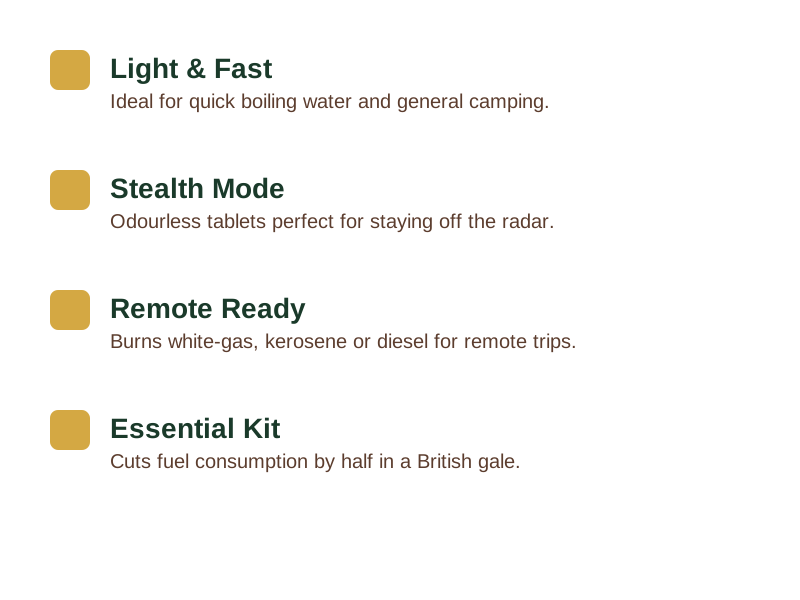
- Solid fuel (Esbit) – a compact tablet of hexamine that burns odourless and leaves virtually no trace. Perfect for stealth camping on the Cairngorms where the smell of gas can attract attention. The downside? The flavour can be a bit metallic, and you need a sturdy pot clip to keep the tablet from rolling away.
- Multifuel (white-gas) – ideal for remote Scottish islands where commercial canisters are scarce. These burners accept white-gas, kerosene or even diesel, but they’re heavier and require more maintenance.
Why this matters: A reader from the Peak District once told me they were stopped on a car-park patrol because a canister was left in the boot. The officer explained the law; the camper paid a £70 fine and learned to keep the canister in the pack – a simple change that saved them future hassle.
Top Picks by Category
Below are stoves that perform well on wet, windy nights in the Lake District, the Yorkshire Dales and the Scottish Highlands. Weight, boil time and how they cope with a gale are the three things to look at.Best Overall (Canister) – MSR PocketRocket 2 (paid link)
Weight: 85 g (without fuel). Boil time: ~3 min for 500 ml. The PocketRocket’s snap-fit fuel canister clicks in seconds, even with gloved hands. On a gusty night on Scafell Pike, a simple aluminium windscreen (a repurposed tin can) keeps the flame steady. The only gripe is the stove’s tiny flame can be snuffed by a sudden downpour, so a windscreen is essential.
Best for Speed (Canister) – JetBoil Flash
Weight: 290 g (including fuel canister). Boil time: 100 s for 500 ml. The heat-indicator ring tells you exactly when the water’s at boiling – a lifesaver when you’re trying to make tea in a rain-soaked tent. It’s bulkier than a PocketRocket, and the integrated pot means you can’t really fry an egg, but for quick meals it does the trick.
Best for Stealth (Solid Fuel) – Esbit Tablet Stove
Weight: 30 g (tablet pack). No canister, no smell. In the Cairngorms, Esbit works well for a simple porridge while staying out of sight of land-owners. The taste is a bit metallic, so a dash of honey or a spoonful of dried fruit masks it. You’ll need a sturdy pot clip – the little plastic ones that come with the tablets often break on rocky ground.
Best Heavy-Duty (Multifuel) – MSR WhisperLite International
Weight: 540 g (without fuel). Burns white-gas, kerosene, diesel. On a week-long trek across the Isle of Skye, this stove keeps cooking when the temperature drops to –5 °C, but it’s a belt-and-brace setup: you need a fuel bladder, a larger stove-bag and a bit more patience to prime it.
Quick comparison
- PocketRocket 2 – ultra-light, needs windscreen, great for simmering.
- JetBoil Flash – fastest boil, bulkier, ideal for hot drinks only.
- Esbit – stealthy, no smell, limited to simple meals.
- WhisperLite – versatile fuel, heavy, perfect for remote, cold trips.
If you’re planning a three-day solo in the Lake District, the PocketRocket 2 paired with a DIY windscreen will be spot on. For a weekend in the Cairngorms where you want to stay under the radar, the Esbit tablets are worth the investment.
You now have the full picture – Download the Free Checklist to make sure you’ve covered weight, fuel legality and accessories before you head out.
JetBoil vs. Gas Stove: which is right for UK wild camping?
Short answer: If you only need boiling water for tea, coffee or instant noodles, a JetBoil is unbeatable; if you want to actually cook a meal – fry an egg, simmer a stew, or melt chocolate – a traditional gas stove wins.JetBoils are built around a single integrated pot and a heat-indicator ring, delivering water to boil in under two minutes even in light rain. The trade-off is limited cooking flexibility – you can’t use a separate pan, and wind can still knock the flame out if you don’t have a windscreen.
Gas stoves like the PocketRocket let you attach any pot, use a windscreen, and control the flame for simmering. They’re a bit slower to bring water to a boil, especially in strong winds, but a simple aluminium shield (or a repurposed tin can) restores efficiency.
Verdict: For most UK hikers who want a proper meal, go with a gas stove and a windscreen. Keep a JetBoil in the tent for those mornings when you just need a hot cuppa in five minutes.
Essential Accessories for the UK Hills
- Windshields – A proper windscreen can cut fuel consumption by half in a gale. Commercial options like the MSR Windshield are sturdy but add weight. A DIY shield fashioned from a recycled tin can is cheap, belt-and-brace, and has saved walkers a litre of fuel on a rainy night on the Pennines.
- Burner stands – Keeping the flame off the ground prevents heat loss and protects delicate alpine flora. Aluminium stands are cheap (around £8-£12) and fold flat.
- Fuel bladders – If you’re worried about puncturing a canister in a fall, a fuel bladder stores the gas safely inside a flexible sack. They’re especially handy on multi-day trips where you need to split fuel between packs.
For a full list of lightweight cookware that pairs well with these accessories, see our guide to Best Lightweight Cookware.
Safety & Etiquette (Leave No Trace Cooking)
- Ground pads – Never set a stove directly on moss or soil; use a rock, log or a purpose-made pad to avoid scorching vegetation.
- Water sources – Don’t cook over a lake or river – the heat can leach contaminants into the water you’ll later drink.
- Cool-down – Always let the stove and burner cool completely before stowing it away; a hot canister can melt your pack’s inner lining.
Common Questions
Is it legal to carry gas canisters in the UK?
Yes – but they’re classed as pressurised containers, and UK safety regulations require you to keep them inside your rucksack, not the boot of your car. That simple rule keeps you on the right side of the law and avoids nasty fines.
Which stove is best for windy UK weather?
A gas stove with a dedicated windscreen, like the MSR PocketRocket 2 (paid link), generally outperforms a JetBoil in strong gusts. The windscreen protects the flame and can cut boil times by up to 50 % in a typical British gale.
Can I use a Trangia in the UK?
Absolutely. Trangias run on meths (solid fuel), which you can legally transport in the car and which emit very little odour – perfect for stealth camping on the Scottish hills. Just remember you’ll need a separate pot for simmering.
What is the best fuel for cold weather?
White-gas (used in multifuel stoves) or an isobutane/propane mix with a higher proportion of propane, as found in JetBoil canisters, perform better below freezing than standard butane. They stay liquid longer, giving a steadier flame.
Do I need a windscreen?
Highly recommended. In the UK, wind can drop a stove’s efficiency by around 50 %. A simple DIY windscreen made from a tin can or a lightweight aluminium shield can save fuel and keep your meals on schedule.
UK Stove Fuel Comparison
| Fuel Type | Weight | Legal Transport | Best Use Case |
|---|---|---|---|
| Canister Gas | Light | Rucksack only | Quick boiling, general camping |
| Solid Fuel (Esbit) | Very Light | Car allowed | Stealth camping, no smell |
| Multifuel (White-gas) | Heavy | Car allowed | Remote areas, cold weather |
| Meths (Trangia) | Light | Car allowed | Low impact, simmering |
| JetBoil | Bulky | Rucksack only | Speed, hot drinks only |
What to Do Next
Choosing the right stove is only half the battle – the other half is making sure every piece of your kit is legal, low-impact and ready for the unpredictable British weather. The best stove for you is the one that boils water when the wind howls, doesn’t attract unwanted attention, and fits inside your pack without breaking the bank.
If you’ve decided on a PocketRocket 2 or a JetBoil Flash, or you’re still mulling over the stealth appeal of Esbit, the next step is to double-check that every item on your list ticks the right boxes. Our Free Wild Camping Essentials Checklist walks you through fuel legality, windscreen options, and the little extras that keep a night in the hills comfortable and compliant.
Download the Free Checklist now and head out with confidence, knowing you’ve got the right stove, the right accessories, and the right knowledge to cook safely under any UK sky. If you’re interested in more about my experiences and philosophy, check out my story.
Happy cooking, and keep the hills as pristine as you found them.
Related Guides
For a complete overview, see our Delicious & Lightweight Meals for UK Wild Camping.
Further Reading
- UK Government Guidance on Pressure Equipment Safety Regulations 2016
- BSI EN 417 Standard
- Trading Standards UK
Always check use-by dates on dehydrated meals and test new recipes at home before heading out.
Prices and availability change frequently — always double-check before ordering.
📺 Watch: How to Find Wild Camping Spots — Karen Guttridge