Wild Camping Safety 101: Handle UK Wildlife Without Fear
This page contains affiliate links. As an Amazon Associate we earn from qualifying purchases — this does not affect the price you pay.
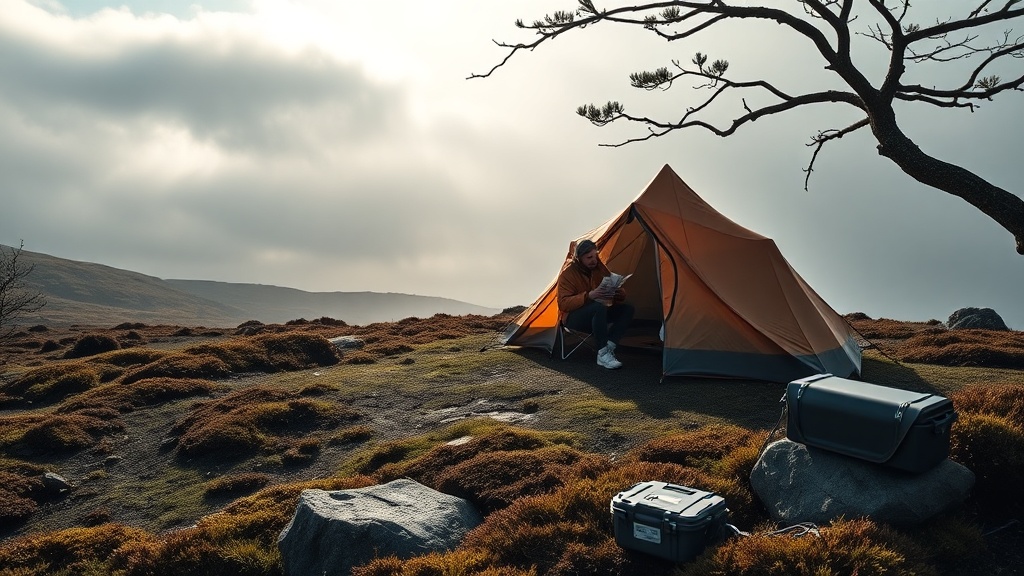
You hear a soft rustle outside the tent at 3 am, the canvas trembles, and your mind jumps to “bear attack” – even though you’re in the Lake District, not Alaska. Your heart pounds, you’re half-awake, and the thought of a wild animal lurking nearby feels like a nightmare you can’t shake. Most campers have been there – a startled deer’s snort on a misty night in the Scottish Cairngorms can leave you spending the next half-hour convincing yourself it isn’t a wolf. The good news? Those moments are more about perception than actual danger. This guide will give you a clear, step-by-step protocol for any UK wildlife encounter, from adders slithering through heather to a curious fox nosing your food. By the end you’ll know exactly what to do, why the rules exist, and how to keep your mind calm – so you can sleep soundly under the stars.
What are the Golden Rules and Legal Context for UK Wildlife Encounters?
The cornerstone of safe wild camping is simple: don’t feed, don’t harass. This is the heart of the Countryside Code – “Respect, Protect, Enjoy”. Feeding wildlife creates habituated animals that lose their natural wariness, turning a shy badger into a night-time nuisance that could even become aggressive. Wildlife rangers have documented how quickly animals learn to associate humans with food, and it rarely ends well for them or for future campers.Legally, you’re on the hook if you encourage animals to rely on you. In many National Parks, feeding is an offence under the Wildlife and Countryside Act 1981. It’s not just about fines – it’s about preserving the wild character that makes our hills and moors special.
A common grey area pops up with dogs. If your pooch chases a deer or a lamb, you’re liable under the Countryside Code and can be fined up to £5,000. The law expects you to have control: a quick “come” or “stay” command can prevent a costly incident.
And don’t forget food storage. A “belt and braces” approach – using a bear-bag style sack (even though we don’t have bears) and a lockable dry box – keeps rats, foxes, and curious badgers at bay. This isn’t just about protecting your snacks; it’s about making sure these animals don’t develop a taste for human food, which can lead to them becoming a nuisance for everyone.
Managing the Psychological Stress (First Aid)
When you encounter wildlife in the UK wilderness, the first and most crucial step is to manage your own reaction. If you hear an animal near your tent or spot one on the trail, stop moving, take three deep breaths, and assess the situation calmly. Identify the species if you can, and try to understand its behaviour – is it curious, startled, or defensive? Most UK wildlife, from deer to badgers, will retreat once they realise you’re not a threat. Making yourself visible with a flashlight or a quick clap can often encourage them to move on. If the animal is large or appears defensive, slowly back away, giving it plenty of space. The fastest way to stay safe is to keep your brain from panicking. When you hear a rustle, your body can go into a “freeze” response – heart racing, muscles tensing, and decision-making clouded. Freeze is dangerous because it stops you from taking purposeful action, like securing your tent or making noise to deter an animal.
A quick breathing drill does the trick: inhale for four seconds, hold for two, exhale for six. Repeat three times. This simple rhythm lowers adrenaline and gives you a clear head.
Next, talk yourself through it. A mantra such as “It’s a deer, not a monster” re-frames the situation. Remind yourself that UK wildlife is generally shy; the biggest threat is often the fear itself.
The key is risk management, not risk avoidance – you can’t stop a fox from roaming, but you can manage the chance of it entering your tent.
A common mistake: staying frozen and silent after a sudden rustle, waiting it out for ten minutes while anxiety builds. A startled badger will bolt on its own — a quick calm breath and a low voice settles things far faster and costs far less sleep.
Adders: The UK’s Only Venomous Snake
Adders (Vipera berus) love sunny, rocky outcrops on heather-covered hills – think the edges of the Lake District fells or the moorland tops of Northumberland. Their distinctive zig-zag pattern along the back is a dead-giveaway if you spot them, but they’re masters of camouflage.
What to do if you see one:
- Keep a safe distance – at least a metre.
- Do not try to pick it up; you’ll get a bite and a solid reason to regret the encounter.
If bitten:
- Stay calm – panic raises heart rate, spreading venom faster.
- Immobilise the limb with a splint or a firm bandage, keeping it below heart level.
- Call emergency services (999) and give your exact location.
- Do not cut the wound or try to suck the venom; the NHS advises against it.
Prevention is easier than treatment. Before setting off, give your boots a good shake, and on the trail, stick to established paths. After a long day, give your boots a thorough check – a quick “boot-shake” can dislodge a hidden adder before you slip it on.
Adders are shy and will almost always retreat if you give them space. They bite only when threatened or stepped on, so a little awareness goes a long way.
Deer, Foxes, and Badgers: The Common Encounters
Deer
Stags can be impressive, especially during the rut in autumn. If a stag approaches your tent:
- Stand your ground. Make yourself look bigger – raise your arms, open your jacket.
- Don’t run. Running triggers a chase instinct, and you’ll look like prey.
- Make noise. A firm “Hey!” or a clap can convince a curious buck that you’re not easy prey.
Most deer will back off once they sense you’re not a threat. One camper had a stag sniff their sleeping bag on a misty night in the Cairngorms; they simply stood, shouted “Oi!”, and it trotted away without a fuss.
Foxes
Foxes are naturally curious but rarely aggressive. If you hear a snuffle at the tent flap:
- Clap your hands or rustle a bag. The sudden noise usually sends them scurrying.
- Secure food in a bear-bag style sack and keep it out of sight.
A reader once emailed me after a night in the Lake District where a fox tried to nudge the tent door. A quick clap and a firm “No thanks” stopped it dead.
Badgers
Badgers are nocturnal and will avoid humans if you’re awake and making a little noise. If you hear digging outside:
- Stay inside and keep lights on. Badgers prefer darkness.
- Don’t approach – they’re powerful and can bite if cornered.
Pests (Rats)
Rats love leftovers. The best deterrent is airtight food storage and a tidy camp. A simple zip-lock bag inside a dry box does the trick.
Emergency Protocol & Post-Enclosure Care
When an animal shows signs of aggression – low growls, persistent following, or attempts to enter the tent – leave the area immediately. Walk briskly, keep your pack low, and head for a clear, open space.
Report any aggressive wildlife sightings to the local ranger service or the police; they can advise on whether the animal is a protected species and if the area needs a warning. If you need to get in touch with someone about an incident, you can always contact me to share your experience, though official channels are best for reporting.
After any bite or scratch, inspect your gear for damage and wash any contaminated clothing. A basic first-aid kit (see First Aid Kit Essentials) should include antiseptic wipes and a small bandage.
Make sure you have emergency contact details saved on your phone, and consider a satellite messenger (see Emergency SOS Devices) for remote areas where mobile coverage is spotty. If an animal follows you, it’s no longer a brief encounter – it’s a threat. Leave the area immediately.
Quick Answers
Are there bears in the UK?
No, there are no bears, wolves, or large predators roaming the UK wilderness. The biggest wildlife threats you’ll face are deer, foxes, badgers and, of course, adders. You can learn more about my experiences and the realities of UK wild camping on my About Harry page.
What should I do if a dog chases a deer?
Call your dog back straight away. Letting a dog chase deer is a criminal offence and can result in a fine of up to £5,000. Keep your pooch on a short lead in areas where deer are common, especially during sensitive times like the deer rut or lambing season.
Do I need to carry a snake-bite kit?
You don’t need a specialised kit. The NHS advises against cutting or sucking a bite. Carry a mobile phone, know the nearest hospital, and have a basic first-aid kit ready to immobilise the limb and keep the person calm.
Is it safe to camp near a river if I see adders?
Adders love sunny rocks near water, so be extra vigilant. Check your boots before putting them on, and keep a clear path away from the water’s edge when possible. They’re usually just basking, but you don’t want to surprise one.
Will a flashlight scare away wildlife?
A sudden bright light can startle animals, but a red light is less intrusive. Generally, a loud clap or a firm voice works better than light for deterring most UK wildlife, as they associate sound with a larger presence.
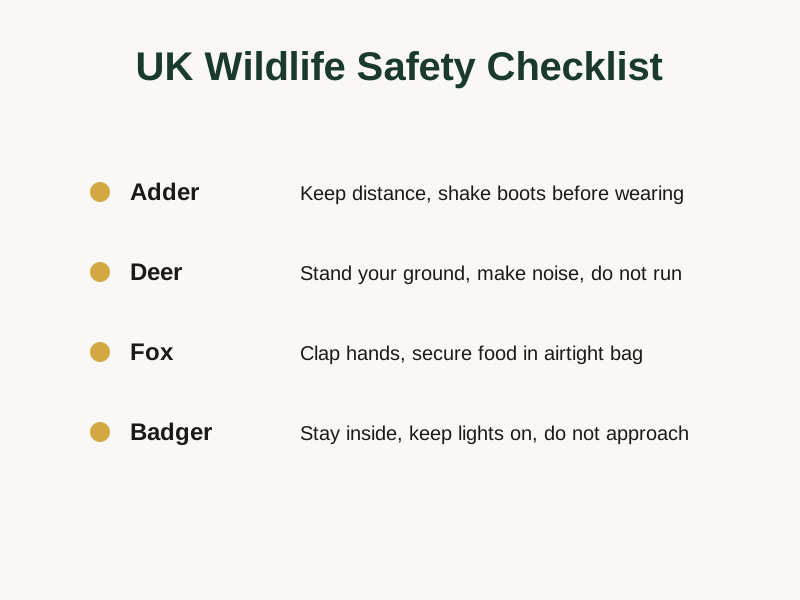
UK Wildlife Encounter Quick Guide
| Species | Behaviour | Action |
|---|---|---|
| Adder | Basking on rocks | Keep distance, shake boots before wearing |
| Deer | Curious or rutting | Stand your ground, make noise, do not run |
| Fox | Nosing food | Clap hands, secure food in airtight bag |
| Badger | Digging at night | Stay inside, keep lights on, do not approach |
| Rat | Foraging leftovers | Use airtight storage, keep camp tidy |
Ready to Start?
Wildlife encounters are rare, and with a solid plan they’re almost never dangerous. The key takeaways: respect the Countryside Code, keep food sealed, stay calm, and know the quick actions for each species you might meet.
Now you’ve got the basics sorted and a clear mental checklist for the night-time rustles. Download the Free Checklist to tick off every safety step before you head out.
Sleep tight, keep your head clear, and enjoy the wild – you’ve earned it.
Related Guides
For a complete overview, see our Mastering Wilderness Skills & Safety for UK Backpackers.
References
- The Countryside Code - UK Government guidance on respecting the countryside.
- Wildlife and Countryside Act 1981 - Legislation regarding wildlife protection and feeding offences.
- NHS: Snake and Lizard Bites - Official medical advice on first aid and treatment.
Note: This guide provides general information for UK wild camping. Always verify specific local regulations and wildlife safety protocols with official sources or local rangers before your trip.
📺 Watch: Our Favorite Gear For Backpacking With Kids! — Matty Outdoors
📺 Watch: Family Camping — The Hadwins