Delicious & Lightweight Meals for UK Wild Camping: A 3-Day Menu
This page contains affiliate links. As an Amazon Associate we earn from qualifying purchases — this does not affect the price you pay.
After a long day on the trail, a proper, tasty meal is non-negotiable. Forget flavourless freeze-dried paste; you deserve a hot, satisfying bite that doesn’t add a load of extra weight to your pack. I’ve put together a three-day menu built around UK ingredients, focusing on a stove that fits in the palm of your hand, and a handful of tricks to keep the fuel burn low and the flavour high.
The “Flavor First” Philosophy
In the outdoors, simple ingredients with bold flavours are better than complex recipes. A pinch of garlic, a knob of butter, or a handful of grated cheddar can turn a basic carb into a morale‑boosting feast.
- Less cleanup, less fuel. Fewer pots and pans mean you spend less time washing in a tent and less gas heating water you’ll never drink.
- Strong flavours cut through the cold. When you’re shivering, a splash of hot sauce or a smear of cheese feels like a warm hug.
- Real food beats processed packets. Dehydrated meals can be convenient, but they often lack the depth that fresh‑sounding ingredients provide.
Quick tip: a splash of olive oil (about a teaspoon) in your pan not only stops food sticking, it carries flavour through the whole dish – a tiny amount that does the trick without hogging space.
Many campers learn this the hard way on a rainy night in the Lake District: boiling instant noodles with a bland sauce, only to find the wind blows the steam straight into your face, leaving you cold and unsatisfied. The next morning, tossing a knob of butter, a handful of grated cheddar, and a pinch of smoked paprika into the same pot makes the mountain air taste a lot more inviting.
Meals combining a good carbohydrate base with a small amount of fat and a strong flavouring offer the best efficiency for calorie-to-weight ratio.
Breakfasts: High Energy & Easy
Oats are the ultimate lightweight staple – they’re calorie‑dense, pack flat, and rehydrate in minutes.
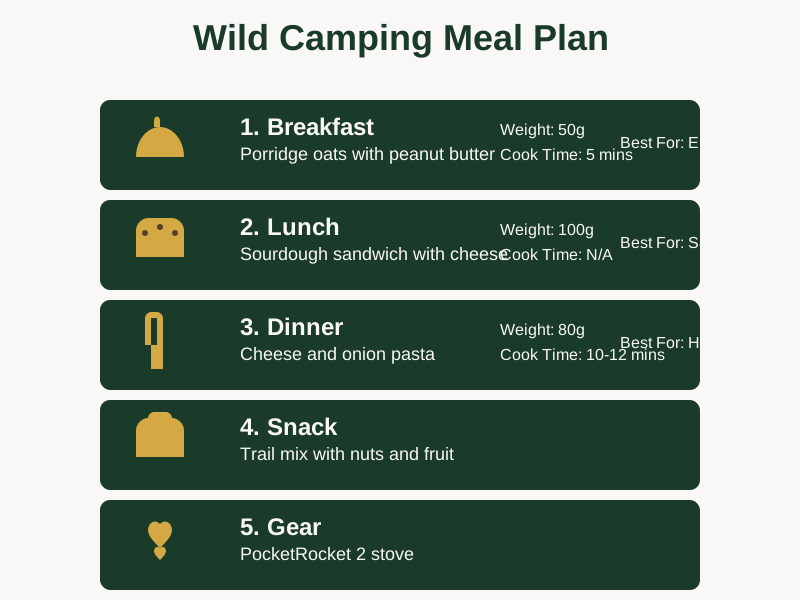
- Porridge oats – 50 g of rolled oats, a splash of water, and a pinch of salt. Stir in a spoonful of peanut butter or a drizzle of honey for instant energy and a touch of indulgence.
- Scrambled eggs – Two eggs, a dash of milk (or water), and a pinch of pepper. Cook in a 500 ml pot on a small gas stove; finish with a handful of grated Cheddar and chopped chives for a “proper” start.
- Tortilla wraps – A single‑serve tortilla, a sachet of tuna, and a slice of mature cheddar. Fold it up and you’ve got a handheld breakfast that doesn’t need a pot at all.
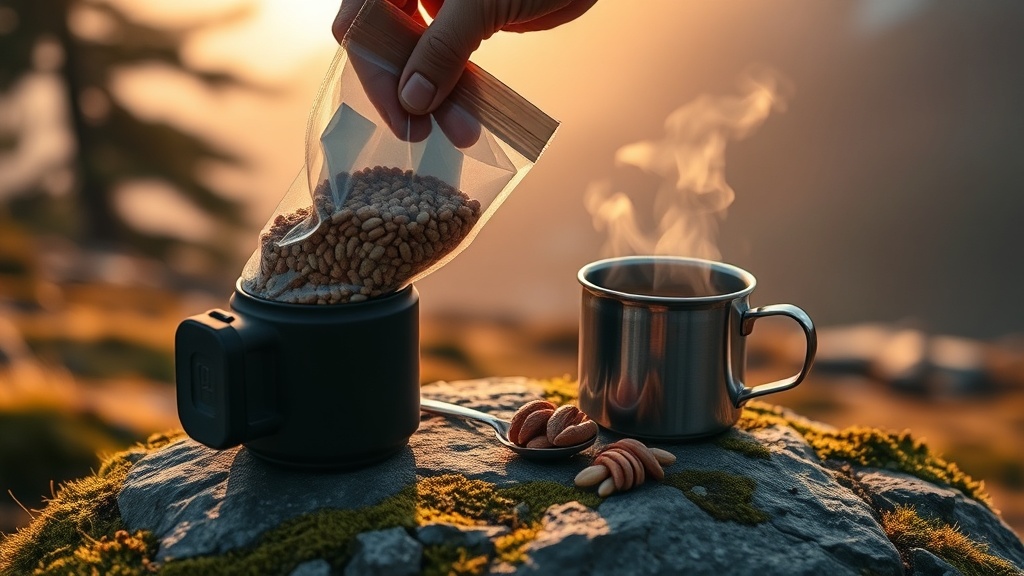
Pro tip: mix your oats in a zip‑lock bag before you head out. No bowl, no washing – just pour the dry mix into your pot, add water, and you’re sorted.
A hot bowl of porridge on a frosty morning in the Peak District makes the whole day feel brighter. It’s a tiny ritual that turns the cold into a welcome contrast.
For more ideas on lightweight bases, see the Best Lightweight Backpacking Food guide.
Lunches: Grab‑and‑Go Fuel
Lunch on the trail should be about refuelling, not cooking.
- Sturdy sourdough sandwiches – Slice a loaf of sourdough (it holds up to a drizzle) and layer with mature Cheddar, a few slices of ham, or a spread of peanut butter. The bread’s density means it won’t turn to mush in a drizzle.
- Dehydrated fruit & nuts – A mix of raisins, dried apricots, and a handful of mixed nuts provides quick carbs and healthy fats.
- Tuna pots – Mix a small tin of tuna with a dab of mayo, a squeeze of lemon, and a few whole‑grain crackers. No heat required; just a spoon and you’re ready to eat.
Warning: wet weather can make regular sandwich bread soggy. Opt for a crusty loaf or a flatbread that tolerates a light drizzle without disintegrating.
A soft white roll on a windy day in the Scottish Highlands turns into a soggy mess that sticks to your fingers. Switching to a denser sourdough saves you from a messy lunch break.
For a deeper dive into snack options, check out Backpacking Snacks.
Dinners: The Centrepiece
A hot dinner after a long day feels like a reward, not a chore. Here are three recipes that stay light on weight but heavy on taste.
Cheese & Onion Pasta
- 80 g dried pasta
- 1 tbsp butter (or a small knob of olive oil)
- 2 tbsp grated mature Cheddar
- ½ tsp onion powder (or a few dried onion flakes)
- Pinch of black pepper
- Boil the pasta in a 500 ml pot with plenty of water – you’ll need about 4 × the weight of the pasta in water.
- Drain, return to the pot, and stir in butter, onion powder, and cheese. The butter melts, the cheese coats the strands, and the onion gives a deep savoury note.
- Serve immediately; the heat keeps the sauce glossy and the flavours vibrant.
This recipe was first tested on a windy ridge in the Yorkshire Dales. The wind threatened to blow the flame out, but a quick windscreen made from a spare tea bag kept the stove burning, and the cheese‑onion sauce turned the cold night into a comforting feast.
British Sausage & Mash
- 2 pre‑cooked British pork sausages (flattened for packing)
- 50 g instant mashed potato flakes
- 200 ml boiling water
- 1 tsp gravy granules
- A knob of butter
- Re‑heat the sausages in the pot for a few minutes.
- In a separate bowl, stir the mash flakes with boiling water, butter, and a pinch of salt.
- Spoon the mash into a bowl, top with sausages, and drizzle with reconstituted gravy.
The sausages add a hearty protein punch, while the instant mash gives you that comforting “home‑cooked” feel without the bulk of fresh potatoes.
Ramen with a Twist
- 1 pack of instant ramen (no flavour packet)
- ½ tsp freeze‑dried mixed veg
- 1 soft‑boiled egg (cooked in the pot for 4 minutes)
- A splash of soy sauce and a pinch of chilli flakes
Cook the noodles, add the veg, and stir in the soy‑soy‑spice mix. The soft‑boiled egg adds richness that makes the broth feel luxurious.
Why these work: each recipe uses a single pot, a modest amount of fuel, and ingredients that pack flat. Keeping cooking areas compact reduces impact and fire risk, as outlined in Mountaineering Scotland’s Wild Camping Code – a win‑win for your pack and the environment.
For the stove that makes all this possible, see the Wild Camping Stoves guide.
Snacks: The Trail Mix
A good trail mix is the perfect on‑the‑go energy boost. Combine:
- A handful of mixed nuts (almonds, walnuts, peanuts)
- Dried fruit (cranberries, apricots, banana chips)
- A few squares of dark chocolate or a sprinkle of mini marshmallows for a morale lift
Portion the mix into small zip‑lock bags (about 30 g each). This stops you from lugging a 200 g bag that you’ll only nibble on, and it prevents overeating when you’re exhausted.
Tip: avoid overly salty snacks; they can increase thirst, especially on hot days. A balanced mix of sweet and salty keeps hydration levels steadier.
Gear & Prep Tips
You don’t need a full kitchen to enjoy a tasty meal in the wild. A compact setup does the job:
- Stove: The MSR PocketRocket 2 (paid link) – roughly the size of a soda can, burns cleanly, and is belt‑and‑brace reliable in windy conditions. For safe use, always follow manufacturer instructions and guidelines from organisations like the British Mountaineering Council on outdoor cooking.
- Pot: A 500 ml aluminium pot with a snug lid – light, stacks with a spork, and fits in most rucksacks.
- Fat: A small tin of butter or a 50 ml bottle of olive oil – just enough for flavour and to keep meals from sticking.
If you ever run out of fuel, Firepot Food (paid link) offers pre‑made meals that only need a splash of water, but they’re a heavier backup.
Trying to cook a full‑size pot of pasta with a tiny canister that is half‑empty means the flame sputters and the water never reaches a rolling boil. Swapping to a fresh PocketRocket 2 saves the dinner and the morale.
Common Questions
What is the best lightweight food to take backpacking?
Oats, pasta, and dehydrated fruit are excellent choices for backpacking because they’re calorie‑dense, pack flat, and rehydrate quickly. They provide sustained energy without adding unnecessary bulk to your pack.
How do I cook food in a tent?
To cook food safely in a tent, use a small gas stove on a stable surface and ensure you have good ventilation by keeping a window or vent open. A windscreen, even a makeshift one, can help steady the flame and minimise cooking smells inside.
What is the best stove for cooking meals?
The MSR PocketRocket 2 is widely considered one of the best stoves for backpacking. It’s incredibly compact, fuel-efficient, and performs reliably even in typical British wind and rain conditions.
How do I keep food fresh?
For the first day, a small cooler with a couple of ice packs can work wonders for perishables. After that, focus on non‑perishable items like nuts, dried fruit, and vacuum‑sealed meals that don’t require refrigeration.
What is the best lightweight food for winter camping?
High‑calorie foods such as peanut butter, chocolate, and pasta are ideal for winter camping. They pack a lot of energy per gram, help keep you warm, and stay tasty even in freezing temperatures.
Lightweight Meal Base Comparison
| Meal Base | Weight (approx) | Cooking Time | Best For |
|---|---|---|---|
| Rolled Oats | 50g | 5 mins | Breakfast, energy |
| Dried Pasta | 80g | 10-12 mins | Dinner, hearty |
| Instant Mash | 50g | 3 mins | Comfort food |
| Tortilla Wrap | 30g | N/A | Grab-and-go |
| Sourdough Bread | 100g | N/A | Sandwiches |
| Instant Ramen | 80g | 3 mins | Quick dinner |
What to Do Next
Planning meals ahead of time does more than keep your stomach happy; it lifts the whole experience. With a three‑day menu that balances weight, flavour, and ease of cooking, you’ll finish each day feeling nourished rather than famished. For more tips and inspiration, you can always check out the other articles on the blog.
You now have the full picture – Download the Free Checklist and tick off every ingredient, stove, and pot before you head out.
Happy cooking, and may your campfire always smell of good food, not burnt socks.
Explore More Topics
Go deeper on specific topics:
- Lightweight Dehydrated Meal Ideas for Backpacking UK
- Best Portable Stoves & Cooking Systems for Wild Camping UK
- Food Storage & Critter Prevention in the UK Wild
- Mountaineering Scotland – Wild Camping Code
- The British Mountaineering Council – Outdoor Cooking and Stoves
- Firepot Food – Pre-made Outdoor Meals
Products linked above are ones we recommend based on owner feedback and UK-condition testing reports.
Looking for quick answers? See our Lightweight Wild Camping Meals UK: 7 Questions Answered.
Always check use-by dates on dehydrated meals and test new recipes at home before heading out.