Stop Foxes and Rats Raiding Your Tent: UK Wild Camping Food Storage
This page contains affiliate links. As an Amazon Associate we earn from qualifying purchases — this does not affect the price you pay.
Waking up to a fox sniffing around your tent, or finding your breakfast rations raided by a badger, is a sure-fire way to ruin a wild camp. In the UK, keeping your food safe from critters like foxes, badgers, and rats is essential. Forget the classic ‘bear bag’ – it’s not designed for our local wildlife. A proper food storage plan, using the right gear and smart scent control, will ensure your provisions stay untouched and you get a peaceful night’s sleep. You’ll learn exactly what works, and when you’re ready, you can download the free checklist to double-check everything.
Why Does the “Bear Bag” Technique Fail in the UK?
The “bear bag” technique—tossing your food into a sack and slinging it from a high branch—was invented for North‑American backcountry where bears are the main threat. In the UK, gravity isn’t your only enemy. Badgers can dig under a hanging sack, and rats will chew through rope if they get a whiff. Urban foxes, accustomed to rummaging through bins, are bold enough to leap onto low branches or even snatch food left on the ground.
Many solo trekkers in the Yorkshire Dales have learned this the hard way: a classic hanging system between two birches seems secure, but foxes can knock the bag loose and rummage through rubbish left by the stove. The takeaway? Hanging alone isn’t reliable when ground‑dwelling critters are in play.
Key point: The “bear bag” technique is largely ineffective in the UK due to the presence of ground‑dwelling pests like badgers and rats, and the daring nature of urban foxes.
Gear Deep Dive: What Actually Works in the UK
Ursacks – Odour‑Proof and Rat‑Resistant
Ursacks are made from a multi‑layer fabric that blocks scent and resists gnawing. A typical 30‑litre Ursack weighs around 600 g and folds into a compact pouch. In practice, Ursack owners have reported leaving the bag in a car for a weekend in the Lake District and returning to find the contents untouched, even after curious badgers nosed around the vehicle. The bag’s zip‑seal and carbon‑activated lining keep the smell of cheese and jerky well below the threshold that attracts foxes.
Pros:
- Odour‑tight, stops rats and foxes sniffing you out.
- Lightweight, fits into most pack‑systems.
Cons:
- Not bear‑proof (not a concern in the UK).
- Slightly pricier than a simple dry sack – roughly £45‑£55 for a 30 L model (approximately, prices vary by retailer).
Food Lockers (Bear Bins)
National Parks such as the Lake District and North Yorkshire Moors provide metal food lockers at many high‑traffic campsites. These are the gold standard because they’re both lockable and built to withstand badger claws. A typical locker costs around £70 – £90 to rent for a night, but many sites include the fee in the camping charge. If you’re planning a multi‑day trek, check the park’s website ahead of time; some lockers require a pre‑booked key.
Pros:
- Fully secure against all UK wildlife.
- Often mandatory, so you’re compliant with park regulations.
Cons:
- Not always available on remote routes.
- You need a spare key or a lock‑compatible bag if you’re moving between sites.
Lockable Panniers and Car Coolers
Where “no food storage” signs dot the campsite, the rule is simple: keep food out of the tent and lock it away. A lockable pannier that clips onto your bike or a sturdy cooler locked in the car does the job. On a popular South Downs ridge where the landowner requires all food to be stored in a locked container, using a 20‑litre cooler with a simple padlock means you never have to worry about a crow swooping down for your chocolate bars.
Quick comparison
| Gear | Best for | Cost (≈) | Weight |
|---|---|---|---|
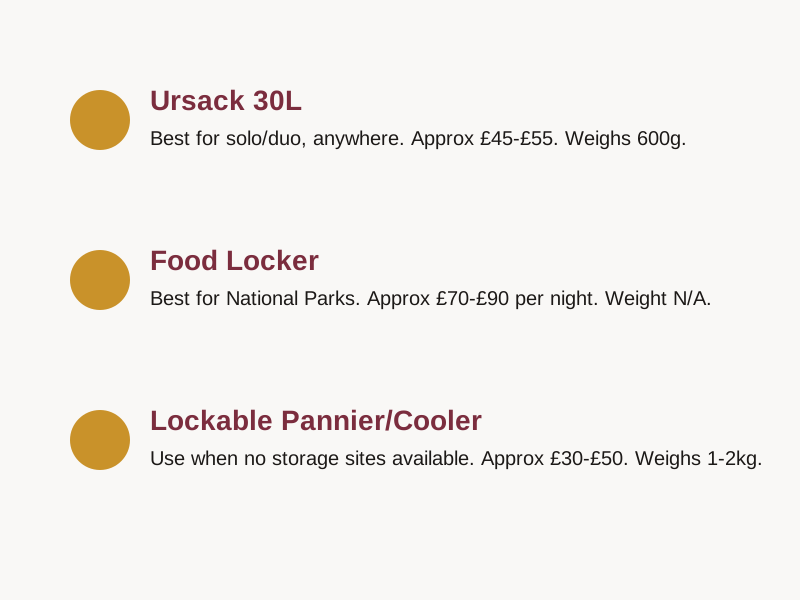
| Ursack 30 L | Solo/duo, anywhere | £45‑£55 | 600 g |
| Food Locker | National Parks, high‑traffic sites | £70‑£90 per night (often included) | N/A |
| Lockable Pannier / Cooler | “No food storage” campsites | £30‑£50 | 1‑2 kg |
You now have the options. If you’re heading into a remote valley with no lockers, an Ursack is your best bet. In busy national parks, grab a locker or bring a lockable pannier as a backup.
Critter‑Proofing the Campsite: Scent Control & Trash
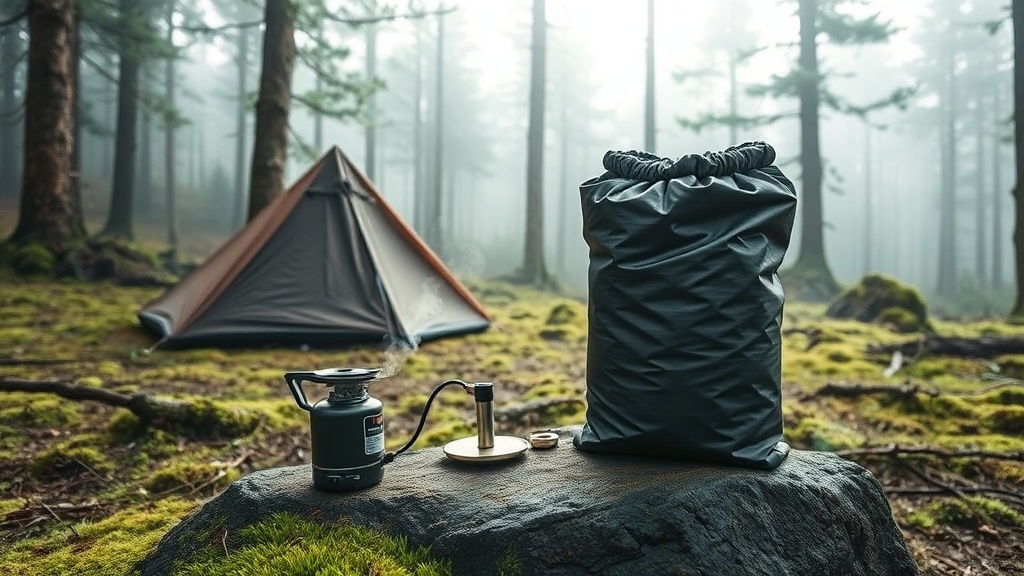
Scent is the silent invitation that draws foxes, rats and even crows to your bivvy. The simplest rule is: Never cook inside your tent. Cook downwind of your sleeping area, at least 100 m away if the terrain allows. A portable stove on a flat rock, coupled with a wind‑shield, keeps the smell contained.
Trash management is equally vital. Leaving a zip‑locked rubbish bag on the ground is a magnet for opportunistic wildlife. Instead, pack a small, hard‑sided container (a bear canister or a sturdy plastic box) and lock it in your car or store it in a locker. If you must leave trash at the site, double‑bag it in a scented‑free bag and bury it at least 30 cm deep—though burial is discouraged in many parks, and generally goes against the Leave No Trace principles for waste disposal, so always check local rules first.
Do’s and Don’ts
- Do store all food, snacks, and scented toiletries in an Ursack or locker.
- Do keep your stove and cooking gear at least 50 m from the tent.
- Don’t eat inside the tent; crumbs attract mice that can chew through fabric.
- Don’t leave food wrappers or empty tins in the tent pocket; toss them straight into a sealed trash container.
One camper left a half‑eaten sandwich in a tent pocket on a rainy night in the Lake District. By morning, a family of mice had turned the sleeping bag into a runway. The smell of stale ham lingered for days, and the rest of the trip was spent cleaning every zip line. Lesson learned: the “tent meal” rule is non‑negotiable.
Adapting Your Strategy: Where to Use What
Remote Wilderness
If you’re heading into the remote fells of the Scottish Highlands or the wild valleys of the Peak District, you can usually rely on an Ursack and, where trees are spaced out, a well‑executed hanging system as a secondary barrier. Badgers can dig, but a sturdy Ursack placed inside a bivvy or a small, buried cache (if permitted) adds an extra layer of protection.
Popular Campsites (Lake District, Yorkshire Dales)
These spots often provide food lockers at designated sites. The Lake District National Park website notes that food lockers are mandatory at many high-traffic car parks to comply with their wildlife protection guidelines. Always check their official guidance before you head out, especially for specific sites like those around Langdale or Wasdale Head. When lockers aren’t available, lock your food in the car or use a lockable pannier. Remember, many YHA hostels now enforce “no food storage in tents” policies, so a locked cooler becomes essential.
Urban Areas and Coastlines
Coastal paths around the South West or urban fringe sites near Manchester see a steady stream of foxes accustomed to scavenging. Here, scent control is the most critical factor. Cook well away from your sleeping area, store everything in an Ursack, and lock the bag in your car. A simple lockable bag that you can clip to your bike or car boot does the trick.
Bottom line: Your storage strategy should shift with the environment—Ursack for remote, lockers for busy parks, and lockable containers for urban or “no storage” sites. Need more general tips for planning your next trip? Check out our blog for a wealth of advice.
Quick Answers
Do I really need a bear canister in the UK?
No, bears are virtually extinct here, so a bear canister isn’t required. What you do need is a way to keep foxes, badgers and rats out of your food, and that usually means an Ursack or a lockable locker.
Can I hang my food in the UK?
You can, but it’s risky. Badgers can dig under the line, rats will chew through rope, and foxes can knock a loosely hung bag loose. An Ursack or a food locker offers far more reliable protection.
What is the best way to store food in a campsite with “no food storage” rules?
Lock your food in your car or a lockable cooler. Never leave anything inside the tent, and always keep the lid sealed when you’re not using it.
How do I stop mice from getting into my tent?
Keep the tent clean, don’t eat inside, and store all food and scented items in a sealed container. A simple Ursack does the job and stops the smell that attracts mice.
Is a cooler box enough to keep food safe?
A cooler keeps food cold, but it isn’t rat‑proof or fox‑proof. Use it for temperature control only, and lock it in a car or store it inside an Ursack for security.
Ready to Start?
You’ve now got the facts: the bear‑bag myth is a myth for the UK, Ursacks beat hanging in most situations, and lockers are the gold standard where they exist. Pair the right gear with scent‑free cooking and tidy trash habits, and you’ll sleep soundly without a midnight visitor. The next step is simple—make sure you haven’t missed any essential items before you head out. Download the Free Checklist to run through your packing list and confirm you’ve covered food storage, scent control and trash management.
Enjoy the wild, stay safe, and remember: a well‑planned campsite is the best defence against a cheeky fox. Safe travels.
Related Guides
For a complete overview, see our Delicious & Lightweight Meals for UK Wild Camping.
References
- Lake District National Park - Camping and Glamping Guidelines
- Leave No Trace UK - Waste Disposal Principles
- Peak District National Park - Wildlife and Food Storage Advice
Products linked above are ones we recommend based on owner feedback and UK-condition testing reports.
Local bylaws on food storage vary by park. Check the specific site rules before you camp.