Leave No Trace UK: The 7 Rules Every Wild Camper Must Know

This page contains affiliate links. As an Amazon Associate we earn from qualifying purchases — this does not affect the price you pay.
Wild camping in the UK means navigating a tricky line: the ethical guidance of Leave No Trace and the very real legalities of land access. Most campers have faced the dilemma of a “No Trespassing” sign on a perfect ridge, wondering if the night is over before it began. This guide pulls together the moral compass and the legal map, showing you how to stay out of trouble, keep our incredible landscapes pristine, and still enjoy that peaceful night under the stars. By the end, you’ll know when you’re on safe ground, how to handle waste (yes, wet wipes are a nightmare), and what to do if a farmer or ranger shows up. Let’s get you sorted.
Quick reference: In the UK, “Leave No Trace” is a moral guide; local bylaws and landowner rights are the law. Understanding the difference is the key to a stress‑free trip.
Download the Free Checklist now – it’s the cheat‑sheet you’ll want in the pocket of your pack.
Is Wild Camping Legal in the UK?
Generally, wild camping in England and Wales is considered trespass unless you have the landowner’s explicit permission. Scotland operates differently; its “Right to Roam” legislation allows access to most open land, provided you act responsibly - the one significant exception being the Loch Lomond & Trossachs National Park, where a paid camping permit is required in designated zones between 1 March and 30 September. So, legality largely depends on your location within the UK.
A full picture of wild camping in Britain starts with the difference between trespass and tolerance. In England and Wales, the default position is that you’re on someone else’s land unless you have explicit permission – that’s trespass, and it’s illegal. Scotland is an exception: the “Right to Roam” (as set out by The Ramblers) lets you access most open land, but you still have to behave responsibly.
Golden Rule: If you see a “No Trespassing” or “Private Property – Keep Out” sign, don’t pitch there, even if the spot looks perfect. The rule isn’t about being a killjoy; it’s about respecting the landowner’s legal right and keeping goodwill for future campers.
Red flags pop up especially in National Parks in England and Wales. In the Lake District, for example, the National Parks UK authority states that wild camping is only allowed in designated sites or with landowner consent. The same goes for the Peak District and Dartmoor, where local bylaws can be strict about where you set up a tent.
If you’re heading north, the Scottish Highlands guide (see our dedicated page) explains that while you can roam, you must still follow the seven Leave No Trace principles – otherwise you risk damaging fragile ecosystems and inviting complaints.
Bottom line: Legal permission = ethical permission. When you have both, you’re golden.
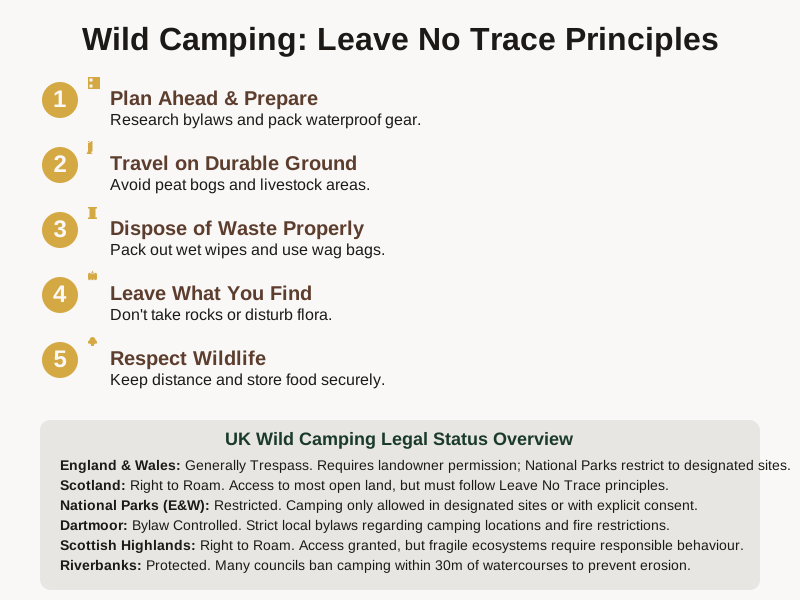
The 7 Principles (UK Adaptation)
1. Plan Ahead & Prepare
Research the specific bylaws for the area you intend to visit. A quick glance at the local council website or the National Parks authority can save you a night of awkward conversations. Check the weather forecast – UK weather changes faster than a London tube timetable – and pack accordingly. A waterproof bivvy, a good tarp, and a reliable dry‑bag are worth the extra weight.
Learned the hard way: One camper set out for a weekend in the Scottish Cairngorms with just a light rain jacket. A sudden downpour turned their sleeping bag into a soggy mess, and they ended up on the ground for hours, shivering and risking hypothermia. A proper rain cover would have kept them warm and their gear dry.
2. Travel & Camp on Durable Ground
Avoid peat bogs, wet heaths, and areas used for livestock grazing. The peat layers in the Lake District and the Scottish Highlands are centuries‑old carbon stores; stepping on them can cause irreversible damage. Look for established footpaths, dry stone walls, or clearings that have already been compacted.
If you must set up on softer ground, use a lightweight groundsheet and a small “footprint” under your tent to spread the load. A simple piece of Tyvek or a cheap camping tarp does the trick and keeps the soil from being churned up.
3. Dispose of Waste Properly – The Wet Wipe Myth
Here’s the thing: “biodegradable” wet wipes are not biodegradable in the damp, cool conditions of UK moorland. According to the John Muir Trust, these wipes can take years to break down and release micro‑plastics into peat soils, harming both flora and fauna.
What to do:
- Pack out all wet wipes, even the “flushable” ones.
- Use a dedicated wag bag (human waste bag) for solid waste when you’re more than 60 ft from water sources and paths.
- In boggy ground, it’s safer to pack out your waste rather than trying to bury it – the moisture prevents decomposition and can spread contamination.
4. Leave What You Find
Don’t take rocks, plants, or historic artefacts. Even a single stone can disturb the delicate balance of a dry‑stone wall or a cairn. If you spot a rare alpine flower, admire it and leave it be. The UK’s flora, from heather in the Highlands to bluebells in ancient woodlands, thrives on minimal disturbance.
5. Minimise Campfire Impacts
Most UK wild areas ban open fires – the peatlands of Dartmoor and the Scottish Highlands are especially vulnerable. A stray ember can smoulder for days, and the smoke can ruin the habitat for years. Use a lightweight gas stove for cooking; it’s belt‑and‑brace reliable and far less risky.
If you’re absolutely certain a fire is permitted (e.g., a designated fire pit in a remote Scottish glen), keep it small, use only dead, dry wood, and fully extinguish it with water before you leave.
6. Respect Wildlife
Sheep, cattle, and ponies roam many upland areas. Keep a respectful distance – a sudden human presence can cause panic and lead to injury for both animals and you. Store food in airtight containers and away from the campsite to avoid attracting curious goats or deer.
7. Be Considerable of Others
Noise travels far in open landscapes. Keep conversation low, use a headlamp instead of a floodlight, and avoid bright LED lights that can disturb both wildlife and fellow campers. A quick “good night” and a silent departure are spot‑on etiquette.
Quick gear reminder: A good trowel, a set of wag bags, and a sturdy trash compactor bag (see our best portable toilets review for the best options) are essential for ticking all these boxes.
You now have the full picture — Download the Free Checklist and keep it handy on every trip.
Practical Scenarios & Conflict Resolution
Scenario A: The Riverbank
Pitching on a riverbank might seem idyllic, but many councils protect riverbanks to prevent erosion and flooding. In the Yorkshire Dales, the local authority explicitly bans camping within 30 m of watercourses. If you’re unsure, keep at least a 50‑ft buffer from any visible water.
Scenario B: The Farmer’s Field
You spot a perfect flat spot on a farmer’s field. Before you set up, knock on the door (or leave a note if the house is locked). A simple “Hello, I’m planning a night here, is that alright?” can go a long way. Offering a small token – a bottle of wine or a thank‑you note – often smooths the interaction. If the farmer says no, thank them politely and move on; arguing only burns bridges for future campers.
Dos and Don’ts for landowner interactions:
- Do greet calmly, state your intention, and ask permission.
- Don’t assume it’s okay because the land looks empty.
- Do respect a “no” and leave immediately.
- Don’t leave litter or waste behind to “prove you’re harmless.”
Scenario C: The Ranger
If a ranger approaches, stay calm. Admit if you’ve erred, thank them for their work, and move on without argument. Rangers are there to protect the environment and enforce the law; a cooperative attitude often means they’ll let you know where you can camp next time.
What Gear Do You Need for Leave No Trace Waste Management?
To truly ‘Leave No Trace’ and manage waste effectively while wild camping, you’ll need a few essential items. These include a compact trowel for burying human waste where appropriate, dedicated wag bags for packing out waste in sensitive areas, and a sturdy trash compactor bag for all other rubbish.
These pieces of gear make the “Leave No Trace” principles feel almost effortless.
- Trowel: A compact, stainless‑steel trowel (around £10‑£15) lets you dig a shallow cathole for human waste when burial is appropriate. Look for a model with a folding handle for easy packing.
- Wag Bags / Human Waste Bags: These are cheap (roughly £5 for a pack of 20) and designed for packing out waste in sensitive areas. The bags are sealable and odor‑tight – essential when you’re on a boggy ridge.
- Trash Compactor Bag: A heavy‑duty, reusable bag (about £8‑£12) that can hold everything from apple cores to wet wipes. It compresses the volume, freeing up space in your pack.
- Biodegradable Toilet Paper: Brands like Seventh Generation offer a “biodegradable” roll that still needs to be packed out in most UK wild sites – it’s better than regular TP but not a free‑for‑all.
These items aren’t fancy, but they’re worth the investment for keeping the landscape pristine and avoiding fines. A good trowel and dedicated waste bags are the only way to guarantee you truly leave no trace.
Quick Answers
Is wild camping illegal in the UK?
In England and Wales, wild camping is generally considered trespass unless you have the landowner’s permission. Scotland is different - the “Right to Roam” makes it legal on most open land, but you still have to follow the Leave No Trace principles, and check you’re outside the Loch Lomond & Trossachs National Park permit zones (1 March-30 September). So, legality depends on where you are and whether you’ve got consent.
Can I bury my poo in the UK?
You can bury human waste if you’re at least 60 ft away from water sources, paths, and livestock, and the ground is dry enough to decompose. In boggy or very wet ground, it’s safer to pack it out using wag bags to avoid contaminating the environment.
Are wet wipes biodegradable?
No. Even “flushable” or “biodegradable” wipes don’t break down quickly in the cool, damp UK climate. They linger for years and release micro‑plastics. Pack them out in a trash bag – it’s the only responsible option.
Can I light a campfire in the UK wilderness?
Generally no. Open fires are banned in many areas to protect peat bogs and prevent wildfires, especially during dry spells. A lightweight gas stove is a reliable, low‑impact alternative for cooking.
Do I need to pay to wild camp in National Parks?
In most English and Welsh National Parks, you cannot wild camp at all unless you’re on a designated campsite or have permission. The Lake District, for instance, restricts wild camping to specific sites. Always check the local bylaws before you set up.
UK Wild Camping Legal Status
| Region | Legal Status | Key Considerations |
|---|---|---|
| England | Generally Trespass | Requires landowner permission; National Parks restrict to designated sites |
| Wales | Generally Trespass | Requires landowner permission; National Parks restrict to designated sites |
| Scotland (general) | Right to Roam | Access to most open land, but must follow Leave No Trace principles |
| Loch Lomond & Trossachs NP | Permit Required (Mar-Sep) | Camping Management Zones require a booked permit in season |
| National Parks (E&W) | Restricted | Camping only allowed in designated sites or with explicit consent |
| Dartmoor | Statutory Right to Camp | Camping allowed on the open Commons by right; follow local code of conduct |
| Lake District | Restricted | Camping only allowed in designated sites or with landowner consent |
| Scottish Highlands | Right to Roam | Access granted, but fragile ecosystems require responsible behaviour |
| Riverbanks | Protected | Many councils ban camping within 30m of watercourses to prevent erosion |
Ready to Start?
You’ve now got the legal basics, the adapted seven principles, and a toolbox of gear that makes responsible camping straightforward. Remember, the goal isn’t just to avoid fines – it’s to keep the hills, moors, and forests beautiful for the next generation of backpackers. If you have more questions, feel free to get in touch or check out our other blog posts.
If you want a printable, step‑by‑step guide to double‑check before you head out, Download the Free Checklist. It’s the last piece of the puzzle to make sure you’re fully prepared, legally and ethically.
Happy trails, and may your nights under the stars be as quiet as the countryside itself.
Related Guides
For a complete overview, see our Complete Guide to UK Wild Camping & Backpacking for Beginners.
Further Reading
- The Ramblers - Understanding your rights of way
- John Muir Trust - Leave No Trace and wet wipes
- UK Cosmetics Regulation (OPSS) - General product safety guidance
Note: This guide provides general information based on current UK legislation and ethical guidelines. Always verify specific local bylaws and landowner permissions before setting out, as rules can change and vary by region.