The UK Dehydrated Meal Crisis: 7 Recipes Using Supermarket Ingredients

This page contains affiliate links. As an Amazon Associate we earn from qualifying purchases — this does not affect the price you pay.
You’ve probably spent a few pounds on a “ready‑to‑eat” backpacking pack only to end up with a soggy, cardboard‑tasting dinner that does little for morale on a rainy night in the Lake District. The frustration is real, and the price tag—often £6‑£8 per meal—doesn’t help. What if you could swap that disappointment for a hot, flavourful bowl that weighs a fraction of the original and costs a fraction of the price? In the next few minutes I’ll show you why the commercial UK options fall short, how to dehydrate your own meals with nothing more than supermarket staples and a modest kit, and give you seven solid recipes you can start tonight. By the end you’ll have a clear plan to ditch the cardboard and feed yourself properly on the trail.
Why UK Dehydrated Meals Often Fail
British manufacturers design most ready‑made backpacking meals for shelf‑life, not taste. The UK’s damp climate means products are packed with preservatives and extra salt to keep them from going off, which dulls flavour and leaves a “wet‑sponge” texture when rehydrated.
Cost is another pain point. A single ready‑meal from a brand like Real Turmat DryTech Outdoor Food (paid link) can set you back £6‑£8, while the raw ingredients—pasta, canned veg, minced meat—cost a fraction of that in any major supermarket.
And then there’s the “soggy bottom” syndrome. Many guides suggest dumping boiling water straight into the bag and waiting a few minutes. In practice you end up with a mushy mess because the food never had a chance to dry properly before you packed it.
The “UK Supermarket” Dehydrating Guide
The gear you really need
You don’t have to spend a fortune. A basic food dehydrator (around £70‑£100) does the job, but a conventional oven works in a pinch—just keep the door ajar for airflow. You’ll also need parchment paper (or a dehydrator sheet if you have one), airtight containers (Mylar bags are ideal, but heavy‑duty Ziplocs will do for short‑term), and a few oxygen absorbers if you plan to store meals for more than a month.
Prep basics
- Blanch vegetables – Drop diced carrots, peas, or broccoli into boiling water for 1‑2 minutes, then shock in ice water. This locks in colour and, crucially, texture. Many families learn this the hard way (and you can read more about my early mishaps here) when a batch of carrots turned to mush after a night in a rain‑soaked bivvy.
- Trim and cube meat – Cook chicken, beef, or even tofu fully before you slice it into 1‑cm cubes. Raw meat must be cooked for safety; the UK Food Standards Agency advises thorough cooking before dehydration.
- Dry in thin layers – Spread ingredients on the tray in a single, even layer. Over‑crowding leads to uneven drying and the dreaded “sticky spots” that never rehydrate properly.
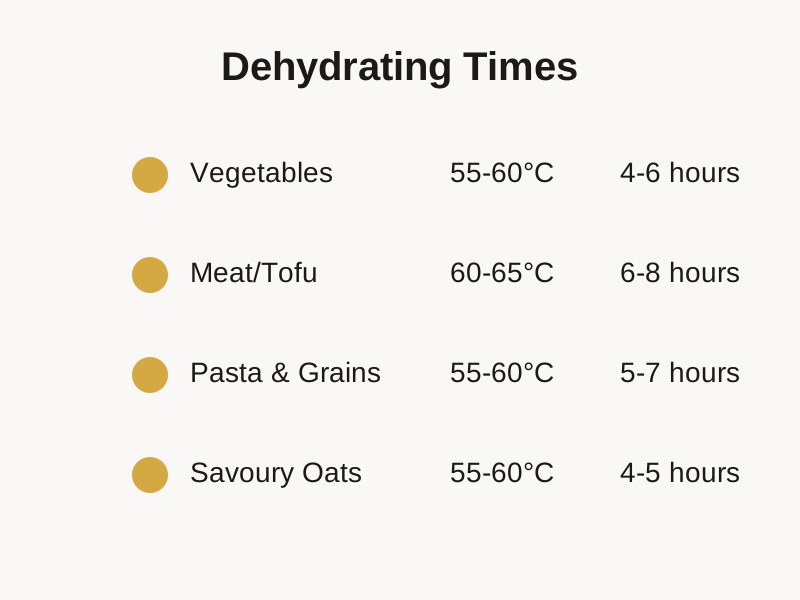
Drying times (rough guide)
- Vegetables: 4‑6 hours at 55‑60 °C
- Meat/Tofu: 6‑8 hours at 60‑65 °C
- Pasta & grains: 5‑7 hours, spread thinly
A quick “pro tip”: use a dedicated dehydrator sheet instead of parchment when you have one. The perforations give better airflow, shaving off an hour or two from the cycle.
Packing the dry mix
Once everything is crisp, let it cool completely, then toss the items together in the bag. Layer heavier items (meat, pasta) at the bottom and lighter veg on top – this makes it easier to pour in water later and reduces the chance of clumping.
Recipe 1: The “Spicy” Curry (The Crowd‑Pleaser)
Ingredients (serves one, dry weight ≈ 100 g):
- 30 g diced chicken breast (or 30 g firm tofu for a veg option)
- 15 g chopped onion
- 10 g diced red pepper
- 15 g small potato cubes (pre‑boiled)
- 1 tsp Tesco curry powder
- 1 tbsp tomato puree (no‑added‑sugar)
- ½ tsp olive oil (sprayed, not poured)
Method:
- Sauté the chicken/tofu, onion, and pepper in a pan with the oil until just cooked.
- Stir in curry powder and tomato puree, coat everything evenly.
- Spread the mixture on the dehydrator tray, dry for 6‑8 hours.
Rehydration: Add 200 ml boiling water, stir, and simmer for 10‑12 minutes. The result is a fragrant, mildly spicy curry that feels far more “proper” than the boxed version you’d find in a campsite shop.
Recipe 2: Cheesy Pasta Bake
Ingredients (dry weight ≈ 120 g):
- 50 g dried pasta (small shells or macaroni)
- 30 g grated mature Cheddar (fine grate)
- 20 g frozen peas (thawed and drained)
- 20 g sweetcorn kernels (drained)
- ½ tsp garlic powder
Method:
- Cook the pasta al dente, drain, and toss with the peas, sweetcorn, and garlic powder.
- Mix in the grated Cheddar until it clings to the pasta.
- Spread thinly on the tray; dehydrate 5‑7 hours.
Rehydration: Pour 250 ml boiling water over the dry mix, stir well, and let sit for 5‑7 minutes. The cheese re‑hydrates into a creamy sauce – just make sure the cheese is finely grated, otherwise you’ll end up with uneven pockets that never melt.
Recipe 3: Savoury Oats & Berry Compote
Ingredients (dry weight ≈ 80 g):
- 40 g rolled oats
- 20 g mixed dried fruit (raisins, sultanas)
- 1 tsp cinnamon
- 1 tsp brown sugar (optional)
- 10 g vanilla protein powder (optional boost)
Method:
- Combine oats, dried fruit, cinnamon, and sugar in a bowl.
- If using protein powder, sprinkle it in now – it will bind nicely when rehydrated.
- Spread the blend on the tray; dehydrate 4‑5 hours.
Rehydration: Add 200 ml boiling water, stir, and let sit for 5 minutes. You get a warm, comforting porridge with natural sweetness – no extra sugar packets required.
Commercial vs. DIY: The Verdict
DIY backpacking meals in the UK can be prepared for about £1.50 per serving, offering a 75 % cost saving over commercial alternatives that typically run £6‑£8 each. By sourcing ingredients from supermarkets such as Tesco or Sainsbury’s, blanching vegetables, and using a food dehydrator (or a low‑heat oven), you can create meals that weigh roughly 80‑100 g dry, rehydrate in 5‑12 minutes, and keep for 1‑2 months when sealed in Mylar bags with oxygen absorbers. The result is a lighter, tastier, and far cheaper food supply for a typical 3‑day UK backpacking trip.
DIY meals cost roughly £1.50 per serving, compared with £6‑£8 for most UK commercial packs. That’s a saving of about three‑quarters per meal. Taste-wise, the difference is obvious – a home‑made curry with real spices beats the “cardboard” flavour of many store‑bought options hands down.
Weight is comparable when you strip out the heavy plastic and foil that come with commercial packs. A 300 g ready‑meal typically ends up as 80‑100 g of dry food once you’ve removed the water, and the same weight applies to a DIY version if you follow the drying guidelines above.
Shelf‑life for homemade meals is around 1‑2 months in a cool, dry place, provided you store them in Mylar bags with an oxygen absorber. That’s shorter than the 1‑2 years you get from US imports like Mountain House (paid link), but the trade‑off of taste and cost is usually worth it for a 3‑4‑day trek.
You now have the full picture — Download the Free Checklist to get a printable shopping list for these recipes and more.
Logistics: Packing & Rehydrating in the UK
Packaging that survives the damp
Mylar bags are cheap, lightweight, and block moisture. Slip an oxygen absorber (about 50 ml for a 100 g pack) into each bag before sealing. For short trips, a heavy‑duty Ziploc works fine, but always double‑check the seal before you head out.
Rehydration hacks for rainy, cold weather
A “cozy” – the insulated sleeve you use for your stove – can double as a heat‑retainer for your pot. Wrap the pot in a cozy while the water comes to a boil, then pour the boiling water over your dry mix and cover again. The heat stays in long enough to finish cooking even when the ambient temperature is 5 °C.
Practical pour‑in tip
A wide‑mouth Nalgene bottle (or similar) makes it easy to pour boiling water into a small bag without spilling. Just pre‑fill the bottle, screw the top on, and give it a good shake to mix the contents.
Common Questions
How long do homemade dehydrated meals last?
Typically 1‑2 months in a cool, dry place if you store them in airtight Mylar bags with oxygen absorbers. Commercial meals can last 1‑2 years because they’re packed with preservatives.
Can I use a regular oven to dehydrate?
Yes. Set it to the lowest setting you can find – around 60 °C – and prop the door open a crack with a wooden spoon for airflow. Expect the process to take longer than a dedicated dehydrator, but it works fine for occasional batches.
Do I need to cook the meat before dehydrating?
Absolutely. Cook the meat thoroughly first; this kills any harmful bacteria. Then cut it into small cubes and dehydrate. The UK Food Standards Agency advises this step for safety.
What’s the best way to rehydrate food in the rain?
Use a cozy or wrap your pot in a foil blanket to keep the water hot longer. A quick boil, then pour over the dry mix, cover, and let it sit – even in a downpour the food will finish cooking.
How much weight do I save by dehydrating?
You shave off the weight of the water you’d otherwise carry. A 300 g ready‑meal becomes roughly 80‑100 g dry, saving about 200‑220 g per serving – a noticeable difference on a multi‑day trek.
Dehydrating Time Reference
| Food Type | Temperature | Duration |
|---|---|---|
| Vegetables | 55-60°C | 4-6 hours |
| Meat/Tofu | 60-65°C | 6-8 hours |
| Pasta & Grains | 55-60°C | 5-7 hours |
| Savoury Oats | 55-60°C | 4-5 hours |
Keep Learning
You’ve seen why most UK‑made dehydrated meals fall flat, learned the basics of turning supermarket staples into lightweight, tasty packs, and got three solid recipes to get you started. The cost savings are clear, the flavour improvement is dramatic, and the weight penalty is negligible when you use proper packaging.
If you’re ready to swap the cardboard for something worth the investment, grab the printable shopping list that walks you through each ingredient, the gear you’ll need, and a simple step‑by‑step guide. It’s all there, ready to download.
Download the Free Checklist and start cooking tonight – your future trail meals will thank you.
Happy packing, and may your kettle never run cold on a misty Highland night.
Related Guides
For a complete overview, see our Delicious & Lightweight Meals for UK Wild Camping.
References
- UK Food Standards Agency - Food Safety When Drying Food
- Trading Standards UK - Food Safety Advice
- UK Cosmetics Regulation (OPSS) - Food Standards
Products linked above are ones we recommend based on owner feedback and UK-condition testing reports.
Note: This guide provides general information for dehydrating food at home. Always verify specific safety guidelines and storage requirements with a qualified professional or official source before consuming dehydrated products.