How to Find Safe Water When Wild Camping UK (And What to Avoid)
This page contains affiliate links. As an Amazon Associate we earn from qualifying purchases — this does not affect the price you pay.
That crystal‑clear burn on a Scottish ridge looks perfect for a drink, doesn’t it? Many campers have learned the hard way that a pretty stream can lead to a miserable night. This guide shows you how to spot the hidden risks of UK water, where to find the cleanest sources, and which purification method keeps your tea tasting right without breaking the bank.
The “Dead Sheep” Factor: UK‑Specific Risks
Livestock roam the UK uplands in numbers you wouldn’t expect in a city park. Sheep and cattle are perfect carriers for waterborne parasites like Cryptosporidium and Giardia. The “Dead Sheep” rule is the standard guideline: never drink from a stream that’s immediately downstream of any livestock or, even worse, a carcass.
One walker followed a promising trickle on Dartmoor, only to spot a freshly‑killed ewe bobbing in the water. They turned back, boiled the water anyway, and spent the night nursing a stomach upset that could have been avoided. The truth, backed by Mountaineering Scotland, is that livestock is the primary source of waterborne parasites in the UK – always assume streams near sheep or cattle are contaminated.
Other risks loom lower down. Agricultural runoff can carry pesticides and fertiliser salts into lowland rivers, especially after heavy rain. Summer months raise parasite loads, making warm, slow‑moving water a breeding ground. Keep an eye out for:
- Green slime or frothy surface – a sign of nutrient overload.
- Dead fish or amphibians – a possible toxin indicator.
- Farmyard fences or drainage ditches – water that’s been channelled through fields.
For a quick legal check, the Countryside Code reminds us that while you can drink from natural sources, you must not interfere with abstraction points or take large volumes for resale.
Where to Find Water in the UK (and Where to Avoid It)
Safe sources
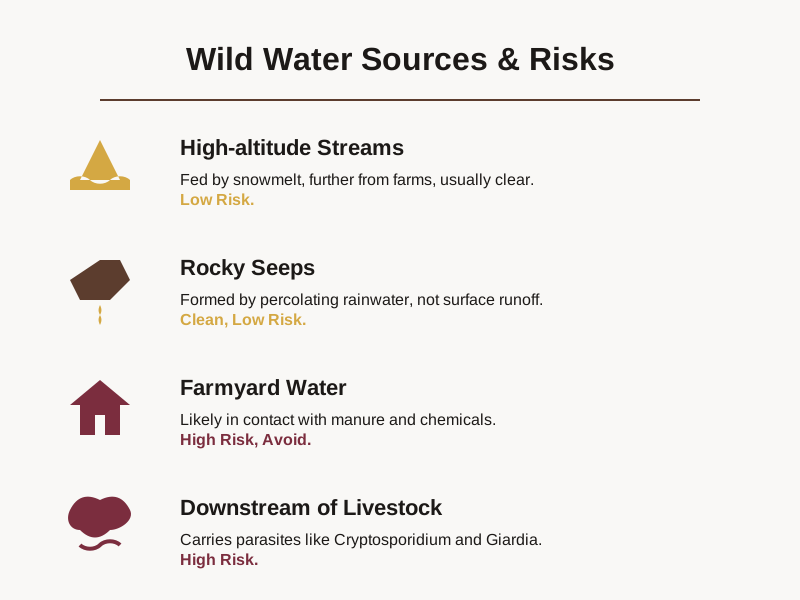
- High‑altitude streams and burns – the further you are from farms, the lower the livestock density. In the Highlands, a quick ascent often brings you to a spring that’s fed by snowmelt, which is usually clear of contaminants.
- Rocky seeps and “bird baths” – tiny pools formed in stone crevices are fed by percolating rainwater, not surface runoff.
- Collected rainwater – a tarp or bivvy sheet can harvest rain; it’s low‑risk but still worth a quick filter if the sky’s been dusty.
Unsafe sources
- Water flowing through farmyards – even if the water looks pristine, it’s likely been in contact with manure.
- Drainage ditches and culverts – these often collect runoff from fields treated with chemicals.
- Downstream of livestock watering points – the “Dead Sheep” rule applies here too.
A quick checklist of red flags can save you a miserable night:
- Visible livestock on the banks or in the water.
- Foul odour or a metallic taste.
- Discoloured water (brown, green, or cloudy).
- Proximity to agricultural buildings or slurry tanks.
When you spot a safe source, fill your bottle, then treat it before you set off again. The “right to roam” means you can access the water, but you must respect the environment and local regulations.
Method 1: Boiling (The UK Standard)
Boiling is the gold standard for UK wild campers because it kills bacteria, viruses, and parasites without leaving any chemical aftertaste – perfect for a proper cup of tea after a long day on the trail. The rule of thumb: bring the water to a rolling boil for at least one minute; at altitude (above 2,000 ft) give it three minutes.
Why it matters for taste – boiling removes any lingering chlorine or mineral flavours that can make your tea taste like a disinfectant. The portable MSR PocketRocket (paid link)(see our Best Backpacking Stoves guide) produces a clean, bright brew.
Practical downsides – you need a reliable fuel source and a sturdy pot. It also doesn’t strip sediment, so a quick pre‑filter through a coffee filter or a piece of cloth helps keep the pot clean.
Quick comparison
| Aspect | Boiling | Chemical tablets |
|---|---|---|
| Safety | 100 % (kills all microbes) | Good, but depends on correct dosage |
| Taste | Preserves natural flavour | Can leave a metallic or iodine aftertaste |
| Fuel needed | Yes (gas, solid fuel, or alcohol) | No |
| Weight | Moderate (pot + fuel) | Light |
If you’re already planning to cook, boiling does double duty – you kill pathogens and heat your meals in one go.
Method 2: Filtration (The Lightweight Choice)
For most multi‑day treks, a good filter is the belt‑and‑braces solution. It lets you drink on the move, keeps the water clear of sediment, and avoids any chemical taste. Two favourites in the UK market are the Sawyer Squeeze and the Katadyn BeFree (paid link).
- Sawyer Squeeze – a 0.1 µm hollow‑fibre filter that fits into a collapsible sack. It’s cheap, easy to clean, and works well in the muddy streams of the Peak District. The downside? It can clog if you try to filter water with a lot of fine silt.
- Katadyn BeFree – a lightweight, 0.2 µm filter that you can drink directly from. It’s brilliant for quick sips, but you have to “baby” it – give it a good shake and swish to keep flow steady.
Maintenance tip – after a day of heavy use, back‑flush the filter with clean water. This simple step prevents mould growth in the damp UK climate and keeps the flow rate “spot on”.
One walker trekked the Lake District with a Sawyer Squeeze, only to discover a clogged filter after a rainy afternoon. A quick back‑flush with a squeeze bottle saved the day and a few litres of water. For a detailed buying guide, see our Best Water Filters page.
Method 3: Chemical Treatment (The Backup)
When fuel runs low or your filter fails, chemicals are the reliable safety net. The two main options are iodine tablets and chlorine‑dioxide tablets (Aquamira Plus being the most common).
- Iodine – cheap and lightweight, but leaves a strong, medicinal taste that can ruin a cup of tea. It also requires a 30‑minute wait time.
- Chlorine‑dioxide – a bit pricier, but the aftertaste is far milder and the wait time is only about 15 minutes. In the UK’s damp conditions, tablets can absorb moisture, so store them in a zip‑lock bag with a silica packet.
A quick warning: tablets lose potency after a year in a wet pack, so rotate your stash every 12 months. Many campers learn this the hard way: a rainy night in the Brecon Beacons can leave chlorine‑dioxide tablets half‑dissolved and ineffective.
For emergencies – think “no fuel, no filter, just a bottle” – chemical treatment is the best backup, but most walkers pair it with a small filter for everyday use.
Putting It All Together: How to Choose
Choosing the right method isn’t a one‑size‑fits‑all. Here’s a simple flow‑chart you can run through in your head:
- Will you be boiling water for meals or tea?
- Yes: Boil the water you need; you’re already treating it for safety and taste. No extra gear required.
- Do you need cold water on the go?
- Yes: A lightweight filter (Sawyer Squeeze or Katadyn BeFree) lets you sip while you walk.
- Are you on a ultra‑light weekend with limited space?
- Yes: Pack a few chlorine‑dioxide tablets as a backup; they’re light and cheap.
Bottom line – If you’re on a two‑day hike, a filter plus a small pot for boiling covers both drinking and cooking. For a longer trek, add a backup of chemical tablets and you’re sorted.
You now have the full picture — Download the Free Checklist to make sure you’ve packed the right gear for every scenario.
Quick Answers
Can you drink water directly from a UK mountain stream?
No, you shouldn’t. Even in the seemingly pristine Highlands, streams can carry nasty parasites like Cryptosporidium from livestock. Always treat water, even if it looks crystal clear, to avoid a miserable night.
What is the best water purification method for the UK?
For overall safety and taste, especially for your brew, boiling is the gold standard in the UK. If you need cold water on the go, a lightweight filter like a Sawyer Squeeze or Katadyn BeFree offers the best balance of speed, weight, and flavour for quick hydration.
How do I stop chemical tablets from ruining the taste of my tea?
Opt for chlorine‑dioxide tablets, like Aquamira, over iodine – they have a far milder aftertaste. Or, if you’re making a hot drink anyway, simply boil the treated water; the heat helps evaporate most of that lingering chemical flavour.
Is it illegal to take water from a stream in the UK?
Generally, no, it’s not illegal. As long as you’re not interfering with abstraction points (like water company intakes) or taking large volumes for commercial use, you’re usually fine. The Countryside Code simply asks you to respect the environment and any local regulations.
Do I need to treat rainwater collected from my tarp?
Ideally, yes, you should. Even seemingly clean rainwater can pick up bird droppings, dust, or other microbes from your tarp. A quick filter or a short boil will give you complete peace of mind, though it’s still generally lower risk than most stream water.
UK Water Source Safety Guide
| Source Type | Risk Level | Key Considerations |
|---|---|---|
| High-altitude streams | Low | Further from farms, fed by snowmelt, usually clear |
| Rocky seeps | Low | Formed by percolating rainwater, not surface runoff |
| Collected rainwater | Low-Medium | Low risk but filter if sky has been dusty |
| Farmyard water | High | Likely in contact with manure and chemicals |
| Drainage ditches | High | Collects runoff from treated fields |
| Downstream of livestock | High | Carries parasites like Cryptosporidium and Giardia |
What to Do Now
You’ve now got the UK‑specific lowdown on spotting risky water, the safest sources, and the right purification kit for every situation. The biggest win is knowing you can enjoy a proper cuppa on a ridge without fearing a night in the loo.
Remember: a little extra caution at the water’s edge saves a lot of misery later. Keep your gear clean, rotate your chemical tablets, and always have a backup plan.
Ready to make sure your pack is fully sorted? Download the Free Checklist and tick off every essential before you head out.
Happy trails, and may your water always be clear and your tea taste brilliant.
Related Guides
For a complete overview, see our Mastering Wilderness Skills & Safety for UK Backpackers.
Further Reading
- Mountaineering Scotland - Information on waterborne parasites and upland risks.
- The Countryside Code - Official guidance on accessing water and respecting the environment.
- Trading Standards UK - Consumer protection and product safety information.
Note: This guide provides general information for outdoor enthusiasts. Always verify local conditions and regulations before consuming water from natural sources. Consult a qualified professional or official source for specific medical or legal advice.
Products linked above are ones we recommend based on owner feedback and UK-condition testing reports.