Traditional Backpacking vs Fastpacking UK: Finding Your Comfort Zone
This page contains affiliate links. As an Amazon Associate we earn from qualifying purchases — this does not affect the price you pay.
Deciding between traditional backpacking and fastpacking in the UK isn’t just about pack weight; it’s about comfort, safety, and how you want to experience our unique wilderness. On Britain’s often-rugged, weather-beaten trails, what works for a quick, ultralight dash in drier climates might leave you shivering and miserable. I’ve been there, balancing a feather-light bivvy against a reliable tent on a misty ridge, and I’m here to sort it out. You’ll discover what “Traditional Backpacking” and “Fastpacking” really mean on British soil, how the weather and laws shape each style, and which approach will keep you warm, dry and confident on the trail.
Quick Picks
- Osprey Atmos AG 65 (paid link)
- Rab Ascent (paid link)
- MSR Hubba Hubba NX (paid link)
- MSR PocketRocket 2 (paid link)
What’s the Trade-off Between Comfort and Speed in UK Backpacking?
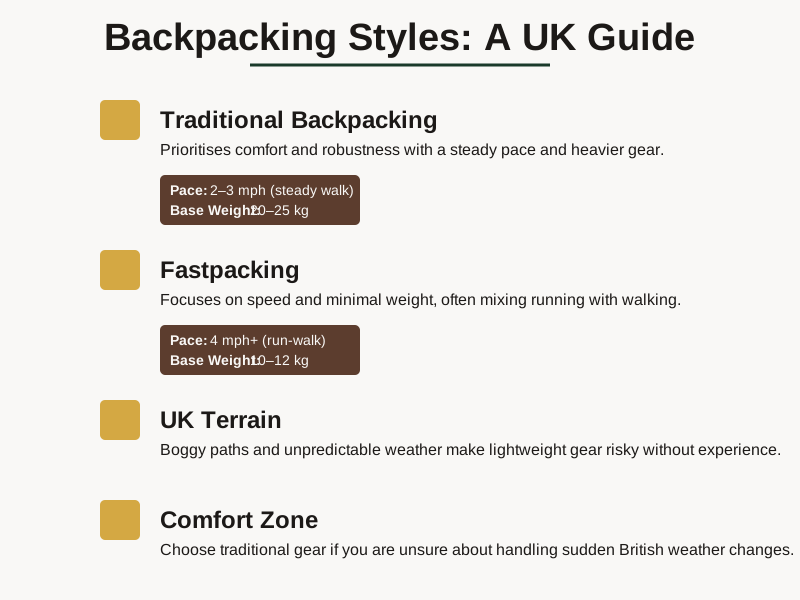
When you’re out on the British hills, the core difference between traditional backpacking and fastpacking boils down to a fundamental trade-off: comfort and durability versus speed and minimal weight. Traditional backpacking prioritises a steady, manageable pace – think 2–3 mph on level ground, with plenty of time for a tea break at a mountain hut or a lazy stroll across a boggy fell. Fastpacking, by contrast, pushes you to 4 mph or more, often mixing a jog into the ascent. The numbers sound tidy:
| Traditional Backpacking | Fastpacking | |
|---|---|---|
| Typical pace | 2–3 mph (steady walk) | 4 mph+ (run‑walk) |
| Base weight | 20–25 kg | 10–12 kg |
| Fatigue level | Low‑moderate; recovery days built‑in | High; recovery can be limited |
| Ideal terrain | Varied – hills, moors, coastal paths | Mostly smooth, well‑maintained routes |
On the UK’s steep, often technical fells, “fast” can quickly become “out‑of‑control”. One walker tried to shave a day off a three‑night trek on Scafell Pike with a 12 kg pack. The rain turned the path into a slick slab and they ended up slipping more than hoped, calves screaming by the time they reached the summit. The lighter load didn’t save any time – it just left them shivering and exhausted.
Fastpacking in the UK is not just about weight; it’s about managing the unpredictability of British weather. A lighter pack means less insulation, and on a windy, rain‑soaked ridge that can mean the difference between a dry night and a miserable, frost‑bitten morning.
Gear Requirements: What’s the Difference?
{< youtube LXBTucND4JY >}
Backpacks
Traditionalists tend to reach for a solid, well‑ventilated pack like the Osprey Atmos AG 65 (paid link) AG 65 L. Its internal frame and padded hip belt can comfortably carry 25 kg of gear without digging into your shoulders – perfect for those longer, slower days. Fastpackers, on the other hand, often opt for frameless rigs or ultralight options such as the Zpacks Arc Zero. They’re feather‑light, but the lack of a frame can make the load feel “floppy” on uneven ground, which is common on UK trails.
Sleeping Systems
Many walkers learn this the hard way: swapping a trusty Rab Ascent (paid link) 800 g mummy bag for a lightweight down quilt on a Snowdonia weekend, hoping to shave a few grams, often backfires. The night turns windy, the quilt flutters around like a flag, and you wake up shivering in a cold‑draft tunnel. In the UK, a quilt is a luxury – a mummy bag is a safety item. If you’re not prepared for a gale, the quilt will do you no favours.
Tents vs. Tarps/Bivvies
A freestanding, three‑season tent such as the MSR Hubba Hubba NX (paid link) gives you a solid, waterproof shelter that can survive a sudden squall on a Scottish ridge. Tarps and bivvy sacks are popular in the Alps, but on a damp UK night they can become a “wind tunnel” if not set up with perfect tension and a proper groundsheet. The rule of thumb: if you can’t guarantee a dry, wind‑free spot, stick with a tent.
Stoves
Fastpackers love the ultra‑light MSR PocketRocket 2 (paid link) – it’s only 73 g and boils water in minutes. Traditional backpackers often choose the Jetboil Flash for its speed and ease of use, even though it adds a few extra grams. In the wet British climate, a reliable, wind‑shielded stove can be a life‑saver; the lighter option can struggle in a gale.
Don’t try a quilt in the UK unless you’re absolutely sure you’ll stay dry and warm. A mummy bag is worth the investment for most hill‑walkers.
Fastpacking and traditional backpacking differ fundamentally in the UK because of the climate and terrain. Fastpacking focuses on shedding weight to increase speed, often using ultralight tents, quilts and frameless packs. Traditional backpacking embraces a heavier, sturdier kit – a sturdy tent, a warm mummy bag and a well‑supported pack – to ensure comfort and safety when the weather turns. On British hills, a lighter pack can make you faster on dry, firm ground, but the same reduction in insulation can leave you vulnerable to sudden rain, wind and cold. The trade‑off isn’t just grams; it’s about whether you can afford to be uncomfortable for the sake of a few minutes saved on the trail.
Why Does UK Terrain Make Fastpacking Different from the Alps?
The UK’s specific climate, varied terrain, and access laws fundamentally alter the fastpacking experience compared to the drier, higher-altitude routes of the Alps. First, the weather: the Mountain Weather Information Service notes that rain can fall on any summit, any month. A sudden shower can soak a bivvy or a down quilt in minutes, leaving you cold and wet. Second, the terrain: many UK paths are boggy, with peat-laden ground that sucks at the soles of your boots. Heavy, supportive boots often beat lightweight trail runners in preventing ankle twists on a slick ridge. Finally, the regulations: Scotland’s “Right to Roam” under the Scottish Outdoor Access Code lets you camp almost anywhere - the main exception being the Loch Lomond & Trossachs National Park’s permit zones (1 March-30 September) - but England and Wales require permission or adherence to specific landowner guidelines (check with the Ramblers Association for more details on access rights). Fastpacking in the Scottish Highlands is legal, but you still need to respect the code’s “leave no trace” ethos; in England and Wales, you must be sure you have permission before you set up a bivvy on a moor.
The “Comfort Zone” Audit
Deciding which style suits you starts with a quick self‑check. Grab a pen and answer these yes/no questions:
- Fitness: Can you comfortably hike 20 miles over two days with a fully loaded 25 kg pack? (If not, fastpacking might feel too demanding.)
- Budget: Do you have the cash to invest in high‑end ultralight gear, or would you rather spend on durable, multi‑season items? (Traditional gear often lasts longer and can be cheaper in the long run.)
- Mental comfort: Do you trust a lightweight quilt to keep you warm if a storm rolls in, or would a mummy bag give you peace of mind? (If you’re unsure, stick with traditional gear.)
If you’re ticking “yes” to most, you might already be in a comfortable zone for traditional backpacking. If you’re leaning towards “no” on several, consider staying with a traditional set‑up until you’ve built fitness and confidence on the trail.
You now have the full picture — Download the Free Checklist and make sure you’ve covered every box before you head out.
Common Questions
Is Fastpacking dangerous in the UK?
Yes, if you’re unprepared. The main risks are getting caught out in bad weather because you’re moving quickly, and injuring yourself on uneven, boggy ground when you’re running. A solid plan and the right gear mitigate those dangers.
Do I need to buy expensive ultralight gear to start?
No. You can begin with traditional gear that’s durable and warm. In fact, many seasoned walkers find that a sturdy tent and a good mummy bag keep them safer and more comfortable on the wet British hills.
Can I Fastpack in Scotland?
Absolutely, as long as you follow the Scottish Outdoor Access Code and you’re outside the Loch Lomond & Trossachs National Park’s permit zones (1 March-30 September) - respect the land, leave no trace, and you’re good to go. In England and Wales, you’ll need permission for wild camping, so fastpacking there often means a bit more paperwork.
What is the best sleeping bag for Traditional Backpacking?
A mummy‑shaped bag with a comfort rating suited to the season works best – for example, the Rab Ascent 800 g for spring‑autumn trips, or a 1200 g version for colder winter nights.
Is a lighter pack always faster?
Not on the boggy, rain‑slicked ground common in the UK. A lighter pack can leave you cold and sluggish, which ends up slowing you down more than the extra weight ever would.
Pace & Weight Comparison
| Metric | Traditional Backpacking | Fastpacking |
|---|---|---|
| Typical Pace | 2–3 mph (steady walk) | 4 mph+ (run‑walk) |
| Base Weight | 20–25 kg | 10–12 kg |
| Fatigue Level | Low‑moderate; recovery days built‑in | High; recovery can be limited |
| Ideal Terrain | Varied – hills, moors, coastal paths | Mostly smooth, well‑maintained routes |
Your Next Step
Traditional backpacking remains the reliable workhorse for most UK hill‑walkers. It offers comfort, safety and a lower barrier to entry, especially when the weather turns. Fastpacking has its place – for the fitter, gear‑savvy adventurer who can accept the extra risk and has mastered the basics. The key is to start where you feel secure, build experience, then decide if shedding a few grams is worth the trade‑off. If you’d like to know more about my own adventures and philosophy, check out the About Harry page. For more articles and insights on gear and routes, browse the Wild Camping Guides blog.
Ready to plan a proper trip? Grab our free checklist – it walks you through gear, route planning and legal checks, so you can head out with confidence. Download the Free Checklist and make your next night under the stars a breeze.
Happy trails, and may your boots stay dry!
Related Guides
For a complete overview, see our Advanced Wild Camping & Backpacking Scenarios UK.
References
Products linked above are ones we recommend based on owner feedback and UK-condition testing reports.
Gear preferences are personal. Test any new kit on a short overnighter before committing to a longer trek.